NITI Ventures logo

NITI VENTURES

Precision engineering and sealing solutions for industrial applications
Material

Fluorosilicone O-Rings

Fluorosilicone combines much of silicone’s temperature flexibility with better resistance to fuels and hydrocarbons. It is commonly considered for fuel-related service where plain silicone is not fuel-resistant enough.
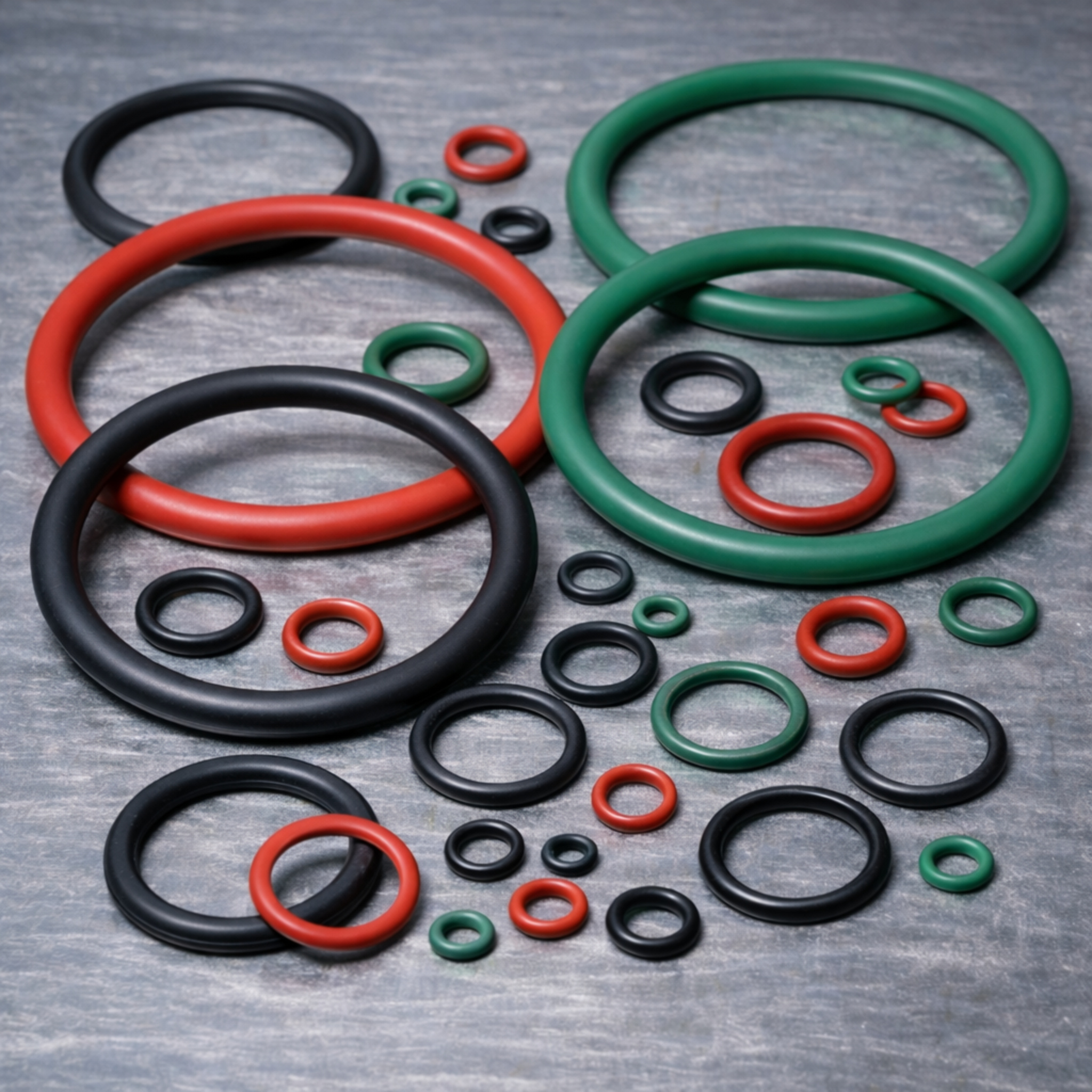
Fluorosilicone O-rings

Fluorosilicone O-Rings

Fluorosilicone combines much of silicone’s temperature flexibility with better resistance to fuels and hydrocarbons. It is commonly considered for fuel-related service where plain silicone is not fuel-resistant enough.

Typical temperature rangeAbout -50°C to +175°C typical, with some grades extending higher.
Other namesFluorosilicone, FVMQ
Hardness optionsCommon fluorosilicone hardness options may include 60, 70, and 80 Shore A.
Compliance optionsDepending on compound, fluorosilicone may be available with aerospace-oriented grades, automotive-oriented grades, and application-specific industrial compounds.

Best used for

  • Fuel exposure with low-temperature flexibility
  • Hydrocarbon and petroleum-based fluid exposure
  • Automotive and aerospace fuel systems
  • Low-temperature applications involving fuels or lubricants

Key advantages

  • Better fuel resistance than standard Silicone
  • Good low-temperature flexibility
  • Useful where both weather resistance and hydrocarbon exposure matter
  • Good heat resistance

Performs well in

  • Petroleum-based fuels
  • Lubricants
  • Hydrocarbons
  • Aromatic mineral oils
  • Many low-temperature fuel-system environments

Use with caution or avoid

  • Applications better served by FKM or FFKM
  • Simple non-fuel applications where standard silicone is enough
  • Highly wear-intensive service

Typical applications

  • Aerospace fuel systems
  • Automotive fuel-related sealing
  • Hydrocarbon hydraulic applications at lower temperatures
  • Static and moderate-duty industrial applications involving fuels and oils

Common industries

  • Aerospace
  • Automotive
  • Fuel handling systems
  • Industrial equipment with hydrocarbon exposure

When to choose Fluorosilicone

Choose Fluorosilicone when silicone temperature flexibility is attractive but plain VMQ is not fuel-resistant enough.

When not to choose Fluorosilicone: Avoid or review carefully when you need the broadest chemical resistance, or when fuel resistance is not needed and standard silicone is sufficient.

Selection guide

This is a practical selection guide. Final material choice should always be checked against actual fluid, temperature, pressure, movement, environment, and any approval requirement for the exact compound.

Need help selecting the right material?

Tell us your fluid, temperature, pressure, size, and whether the seal is static or dynamic. We can help review the most suitable starting options before final size and compound selection.

Get Quote