NITI Ventures logo

NITI VENTURES

Precision engineering and sealing solutions for industrial applications
Material

Polyurethane O-Rings

Polyurethane is best known for high abrasion resistance, strong tear strength, and excellent performance in dynamic service, especially where pressure and extrusion resistance matter.
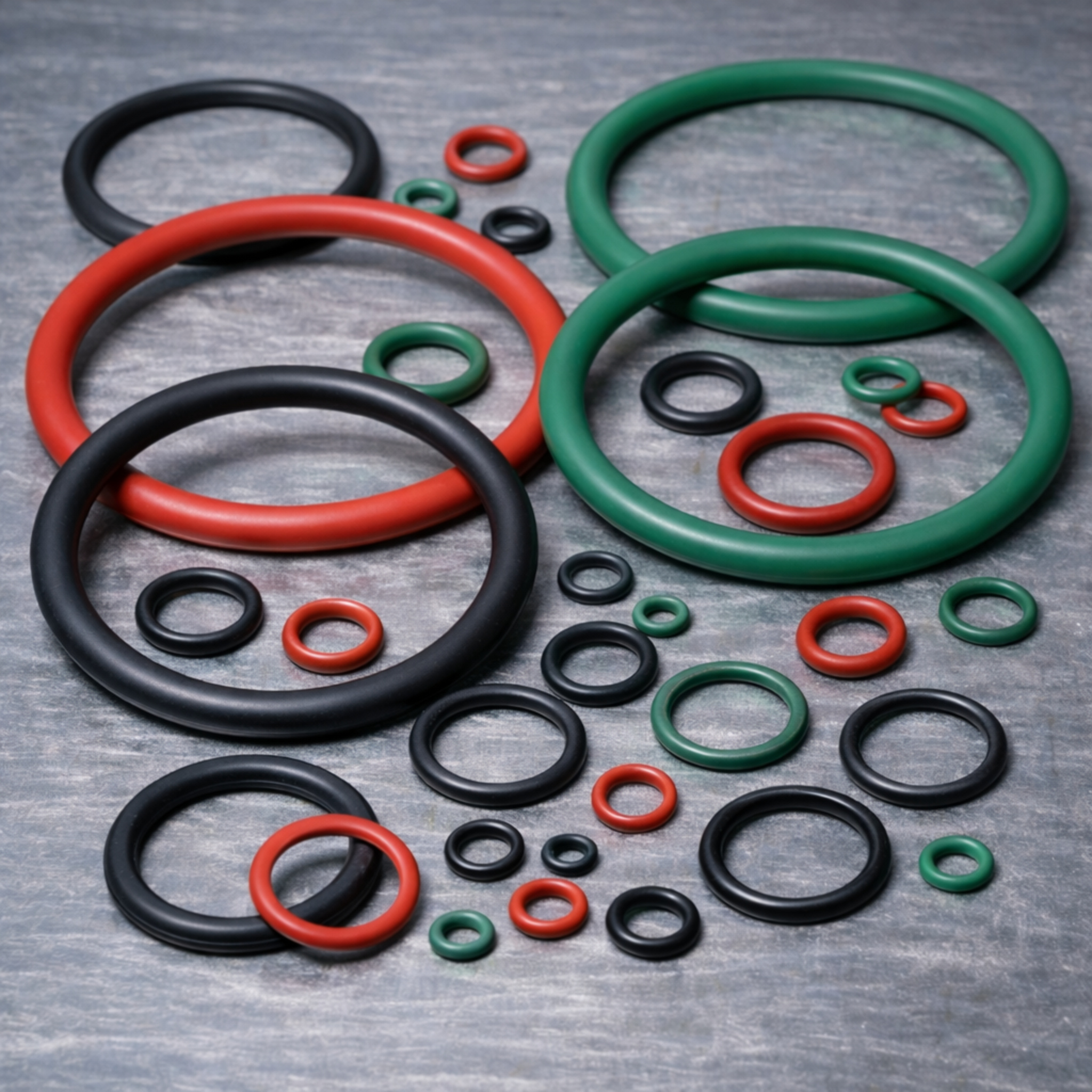
Polyurethane O-rings

Polyurethane O-Rings

Polyurethane is best known for high abrasion resistance, strong tear strength, and excellent performance in dynamic service, especially where pressure and extrusion resistance matter.

Typical temperature rangeAbout -35°C to +80°C typical, with specialty grades extending beyond this.
Other namesPolyurethane, PU, Urethane
Hardness optionsCommon polyurethane hardness options may include 70, 80, 90, and 95 Shore A.
Compliance optionsDepending on compound, polyurethane may be available with REACH-related options and custom industrial formulations for wear, pressure, or temperature targets.

Best used for

  • Dynamic sealing
  • Abrasion and tear resistance
  • High-pressure service
  • Hydraulics and pneumatics
  • Applications needing strong mechanical durability

Key advantages

  • Excellent wear resistance
  • Strong tear strength
  • High extrusion resistance
  • Well suited to demanding dynamic service

Performs well in

  • Many hydraulic oils
  • Some petroleum oils
  • Mineral oils
  • Some hydrocarbon fuels
  • Silicone oils and greases
  • Water in many applications

Use with caution or avoid

  • Strong acids
  • Ketones
  • Chlorinated hydrocarbons
  • Steam
  • Very high temperatures
  • Broad aggressive chemical service

Typical applications

  • Hydraulics
  • Pneumatics
  • Mobile equipment
  • Heavy-duty dynamic sealing
  • Mechanical seals and assemblies
  • High-wear industrial sealing

Common industries

  • Hydraulics
  • Pneumatics
  • Manufacturing
  • Mobile equipment
  • Industrial machinery
  • Heavy equipment

When to choose Polyurethane

Choose Polyurethane when wear, pressure, and abrasion are more important than broad chemical resistance.

When not to choose Polyurethane: Avoid or review carefully when your application involves very high temperatures, broad aggressive chemical exposure, or where compression set is a key concern.

Selection guide

This is a practical selection guide. Final material choice should always be checked against actual fluid, temperature, pressure, movement, environment, and any approval requirement for the exact compound.

Need help selecting the right material?

Tell us your fluid, temperature, pressure, size, and whether the seal is static or dynamic. We can help review the most suitable starting options before final size and compound selection.

Get Quote